

Used Conversion Van Test Drive Checklist: 12 Things to Check in 15 Minutes
- January 27, 2026
- Used Conversion Vans
- Posted by Hannah
- Comments Off on Used Conversion Van Test Drive Checklist: 12 Things to Check in 15 Minutes
A used conversion van can be an awesome buy. You get the comfort, the space, and the travel-ready setup without paying brand-new money.
But here’s the thing. A conversion van is a vehicle plus an interior build. That means you’ve got a few extra items to check on a test drive beyond the usual “does it run smoothly?”
This checklist is built for real life. You can run through it in about 15 minutes and you’ll catch most of the issues that turn into expensive surprises later.
Before you start driving: the quick walkaround
1) Look for roof and window leaks (yes, right away)
Conversion vans have more seams than a standard van. Look closely around:
- Roof accessories, roof cap edges, and seams

- Side windows and trim
- Rear doors and weather stripping
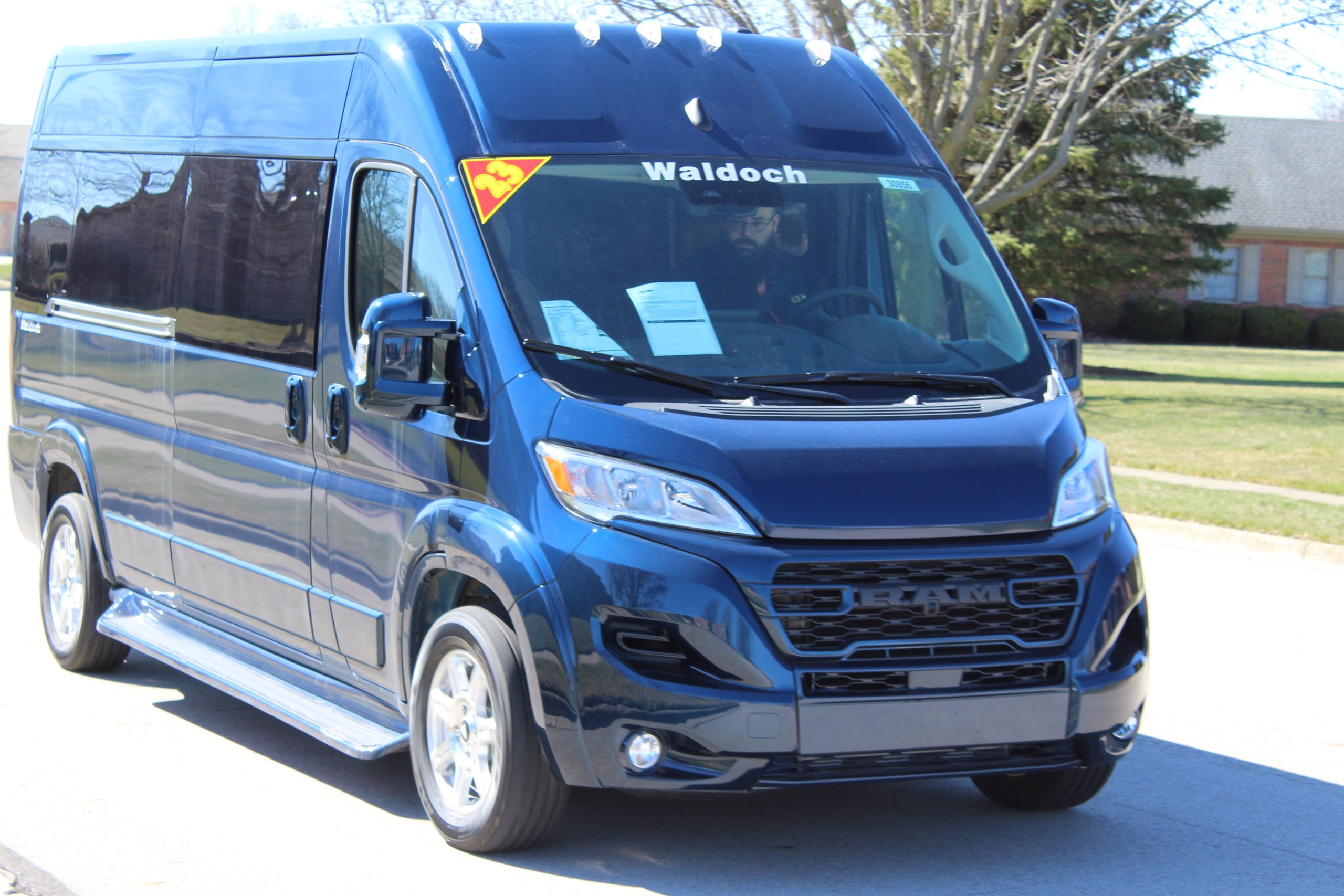
If you see water stains on the headliner, damp carpet, or a musty smell, don’t ignore it. Water leaks are annoying to track down and they don’t fix themselves.
2) Check tire wear and match
Uneven tire wear can point to alignment or suspension issues. Also check if all tires match. Mismatched tires on a heavy van can affect ride quality and handling, especially at highway speed.
3) Inspect the suspension stance
Does it sit level? If the rear looks low or the van leans, you could be looking at worn springs, shocks, or a load issue. Not always a dealbreaker, but it’s something to price in.
Inside the van: the stuff buyers forget to test
4) Run the front and rear heat and A/C
This one matters a lot in a conversion van. Test:
- Front A/C and heat
- Rear A/C and heat (if equipped)
- Fan speeds, temperature changes, and airflow
If the rear system doesn’t blow cold, it can be a simple fix or it can be a bigger one. Either way, you want to know before you buy.
5) Test every power feature, quickly and methodically
Do a fast sweep:
- Power seats and seat heaters
- Power steps (if equipped)
- Door switches
- TV and remote
- Interior lights and reading lights
- USB ports and 12V outlets
If it’s got buttons, push them. If it’s got a remote, use it.
6) Check the floor and carpet where people actually step
Look at:
- The aisle

- The step-in area
- Under the front edge of captain’s chairs
- Cargo area behind the rear seat

Heavy wear isn’t always bad, but it can tell you how the van was used. Family road trips wear differently than commercial shuttle use.
7) Listen for rattles with the cabin quiet
Turn the radio off for a minute. Drive over a few bumps at low speed. Conversion interiors can rattle if something’s loose. A small rattle is common. A loud clunk or constant vibration isn’t.
On the road: the 6-minute drive that tells you everything
8) How does it start and idle?
A healthy van should start clean and settle into a steady idle. Watch for:
- Rough idle
- Hesitation
- Warning lights
- Odd tapping or loud ticking
If it feels shaky sitting still, it won’t magically get better at 70 mph.
9) Brake feel and straight-line stopping
On a safe, open road:
- Brake firmly once
- Make sure it stops straight
- Watch for steering wheel shake
Big vans are hard on brakes. If the pedal feels soft, it pulls, or it shakes, plan for brake work.
10) Transmission behavior
Pay attention to:
- Smooth shifting
- Delayed engagement when you put it in gear
- Hard shifts when accelerating
A good used van should feel consistent. If it’s hunting for gears or shifting harshly, that’s a sign to dig deeper.
11) Highway speed test: 55 to 70 mph
If you can, get it up to speed. This is where issues show up:
- Steering wander
- Vibration in the seat or steering wheel

- Excessive wind noise around the conversion windows
- A “floating” feeling
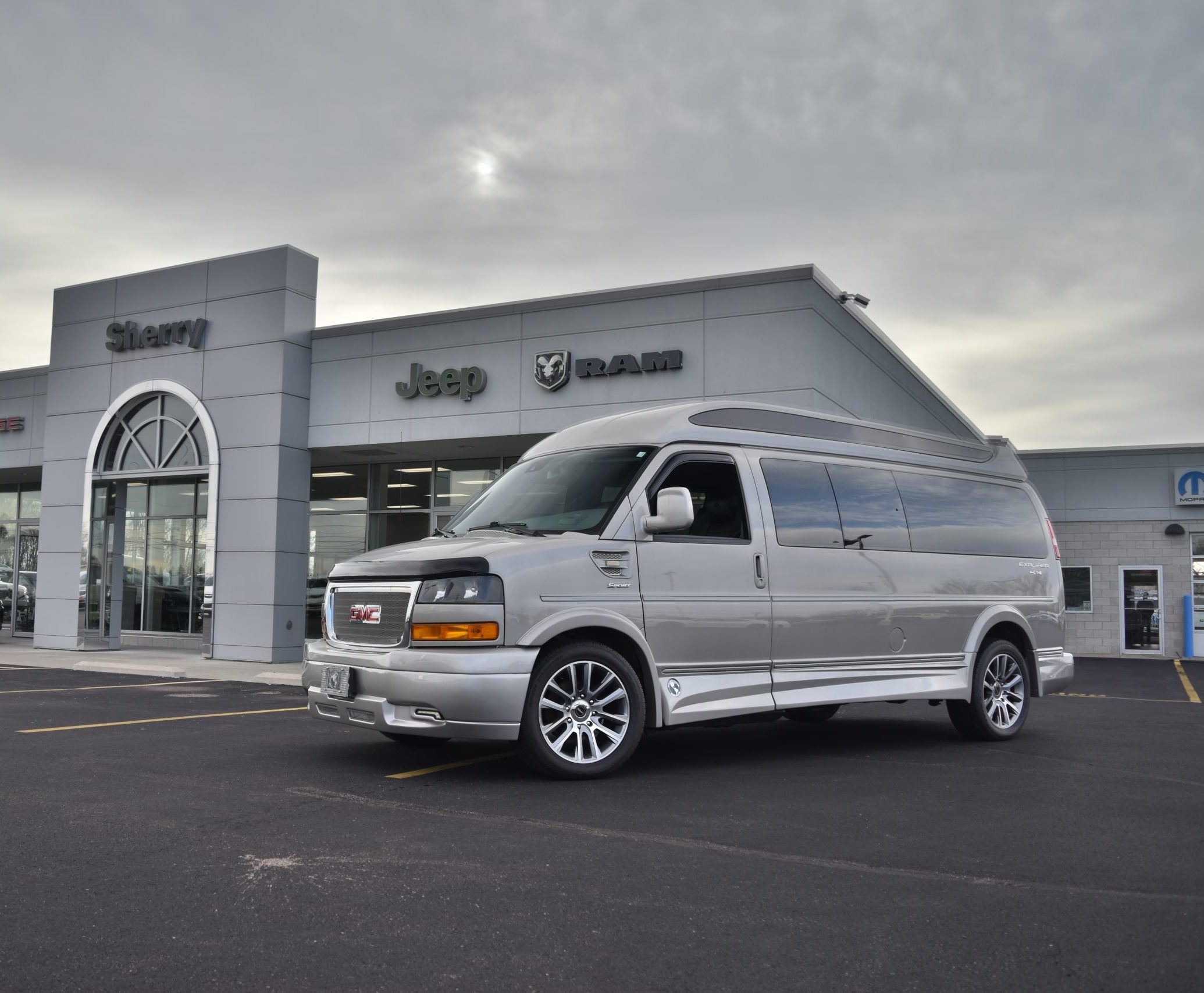
Some wind noise is normal in a conversion van. Vibration that makes you tense up isn’t.
12) Turning and parking lot test
Before you finish, do a few tight turns and a slow parking lot loop.
- Any clicking in turns?
- Any rubbing noises?
- Does the steering feel heavy or inconsistent?
A conversion van should feel predictable. You’re not looking for sports car handling, you’re looking for stable and easy to control.
Quick bonus: ask these 3 questions before you leave
- Do you have maintenance records? Oil changes and routine service matter.
- Any warranty remaining or extended coverage available? Worth knowing.
- What conversion brand is it and what features were added? Helps value and future repairs.
A used conversion van test drive shouldn’t feel like a guessing game. If you check the right things, you’ll know pretty quickly whether it’s a clean van or one that’s going to nickel and dime you.
How Paul Sherry Conversion Vans Checks Quality Before You Ever Test Drive
Test driving is important, but it shouldn’t be the first time a used conversion van gets a serious look.
Before any used van is listed for sale, Paul Sherry Conversion Vans completes a detailed quality review so buyers aren’t starting from scratch.
That process typically includes:
- Mechanical inspection of the engine, transmission, brakes, suspension, and steering
- HVAC testing, including front and rear heat and A/C systems
- Electrical and conversion equipment checks, like power seating, lighting, TVs, outlets, and controls
- Interior condition review, focusing on wear points, seating function, and flooring
- Road testing to catch vibration, noise, braking issues, or drivability concerns
If something doesn’t meet standards, it’s addressed before the van ever hits the lot. That way, when you show up for a test drive, you’re confirming a good fit for your life, not uncovering surprises.
It’s one of the biggest advantages of buying from a conversion van specialist instead of a general used car lot. The vans are reviewed by people who work with them every day and know what matters long term.
